 You are viewing the Wallace, NC location.
As summer heats up, your air conditioner becomes the heart of your home comfort. But if your system is struggling to keep up, constantly cycling, or leaving you sweating even when it’s running, it might be time to consider more than a repair.
An aging or inefficient AC system could be costing you more than you think – both in comfort and energy bills. Here’s how to tell if it’s time for a new AC system, what signs to look for, and why replacing your AC this summer could be one of the smartest home investments you’ll make.
1. Your AC Is Over 10–15 Years Old
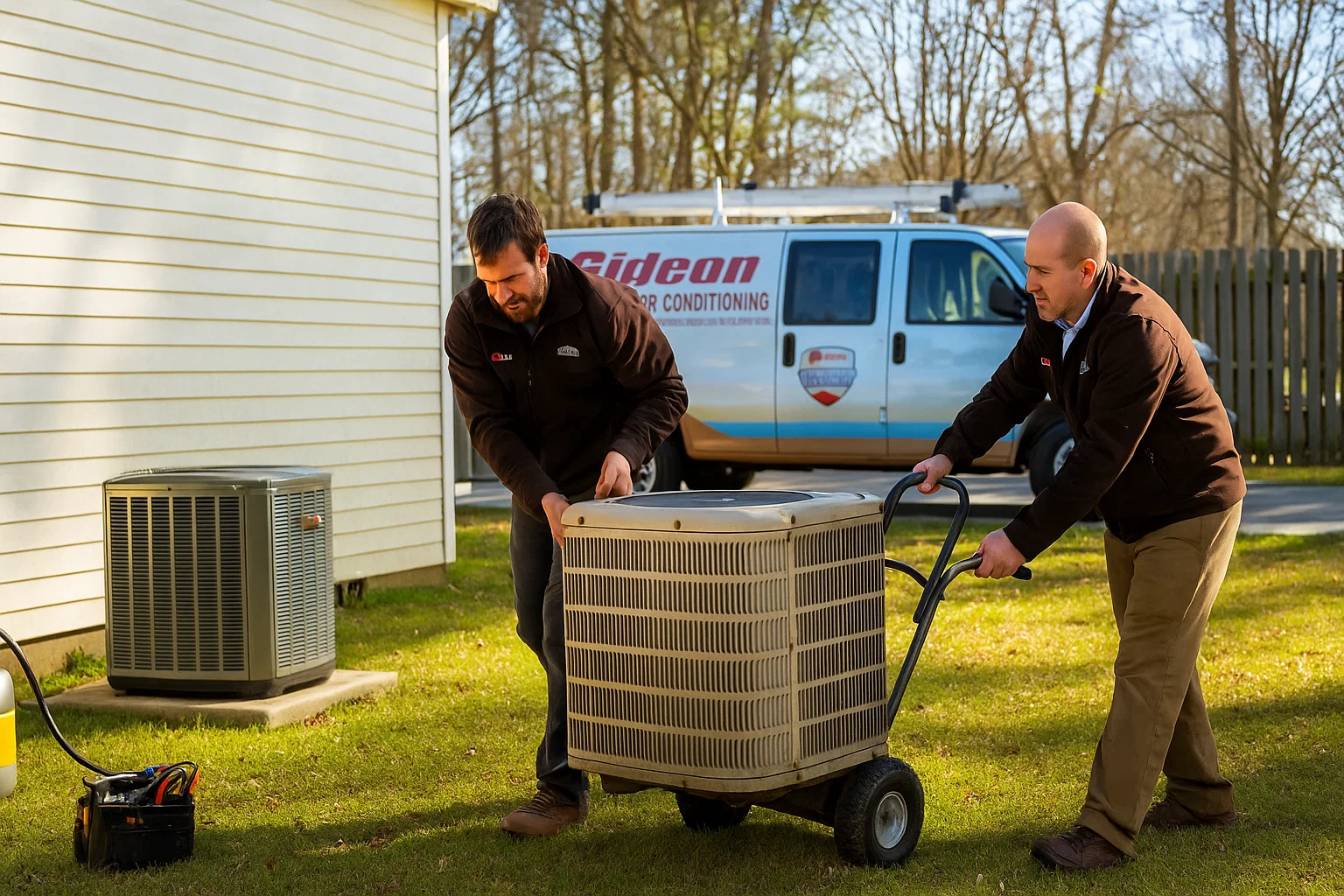
Most central air conditioners are built to last around 10 to 15 years with regular maintenance. After that point, even well-maintained systems begin to lose efficiency and experience more frequent problems. If your AC is approaching or past its expected lifespan, replacing it with a newer model may be more cost-effective than continuing to invest in repairs.
2. Frequent AC Repairs Are Increasing Your Costs
Are you calling your HVAC technician more often than you’d like? If you’ve had to make multiple repairs over the last few seasons, it may be time to stop patching up an old system and start fresh with one that runs reliably.
Pro tip: If the cost of a repair is more than 50% of the value of your current system, replacement is usually the better financial move.
3. Rising Energy Bills from an Inefficient AC System
An older, inefficient air conditioner has to work harder to cool your home – especially in the peak summer heat. If your energy bills are climbing even though your usage habits haven’t changed, improving your AC efficiency with a more efficient model could deliver immediate savings on your monthly utility costs.
4. Uneven Cooling Throughout Your Home
Hot and cold spots in different rooms could mean your system can no longer distribute air properly. This is a common symptom of aging ACs with failing components, leaky ductwork, or systems that are improperly sized for your home.
5. Strange AC Noises or Odors
Unusual sounds – like grinding, rattling, or squealing – or musty or burning smells could indicate serious internal issues. These problems are often symptoms of failing parts or motors and should be inspected right away.
Why You Should Upgrade Your AC This Summer
Replacing your AC in the middle of summer may sound daunting, but it’s often the best time to take control of your home’s comfort and efficiency. Here’s why:
- Improved Energy Efficiency – Modern AC units are designed to use significantly less energy than older models – especially if you choose one with a high SEER2 (Seasonal Energy Efficiency Ratio 2) rating. That translates to lower energy bills every month, which adds up quickly during the hottest months. Seasonal upgrades and coastal summer AC prep can also maximize long-term performance.
- More Consistent Comfort – New systems offer advanced features like variable-speed motors and smart thermostats, which help keep your home cooler and more consistent without overworking the system.
- Quieter Operation – Today’s air conditioners are engineered for quieter performance, making your indoor environment more peaceful – no more clunky starts or loud humming noises.
- Environmental Benefits – New AC units use environmentally friendly refrigerants and meet stricter energy standards, which means a smaller carbon footprint for your home.
Frequently Asked Questions
Question: What are the key signs that I need a new air conditioner instead of just repairs?
Answer: If your AC is more than 10 to 15 years old, requires frequent repairs, causes rising energy bills, produces strange noises or odors, or struggles to cool your home evenly, it may be more cost effective to replace it with a newer, energy efficient system.
Question: How does the age of my air conditioner affect whether I should upgrade?
Answer: Most central air conditioners last around 10 to 15 years with proper maintenance. As systems age, they become less efficient and more prone to breakdowns. If your unit is nearing or past this range, upgrading can improve reliability, comfort, and overall performance.
Question: Why are rising energy bills a sign I may need a new AC?
Answer: An older or inefficient AC system has to work harder to maintain comfortable temperatures, which increases energy use. If your cooling habits have not changed but your utility bills continue to climb, your system may be losing efficiency and nearing the end of its lifespan.
Question: Can uneven cooling or hot and cold spots mean I need to replace my AC?
Answer: Yes, inconsistent temperatures throughout your home can signal that your air conditioner is struggling to distribute air properly. This may be due to aging components or reduced capacity, and replacing the system can help restore balanced, reliable cooling.
Question: Are strange noises or smells from my AC a reason to upgrade?
Answer: Unusual sounds like grinding or squealing, as well as musty or burning odors, often indicate internal wear or failing parts. While some issues can be repaired, repeated problems are a strong sign that replacing the unit may be the better long term solution.
At Gideon Heating & Air Conditioning, we like to say that our work isn’t just good – it’s Gideon Guaranteed! Contact us today to schedule HVAC services.